
Follow us


2026–2027 Winter Weather Outlook: Prepare Your Home
By Michael Franco
October 10, 2026
If you've been following climate news, you've probably heard that a historic Super El Niño is building across the Pacific. That's not just interesting to weather nerds—it's actually useful information for homeowners trying to figure out what to expect this winter and how to prepare.
This May Also Interest You: What Is This Super El Niño ... and How Can I Prepare My Home?
The short version: This winter will feel different depending on where you live, and knowing what to prepare for makes a real difference.
What's Driving Winter 2026–27 Weather Patterns
NOAA's Climate Prediction Center puts a very strong El Niño at over 90% probability for fall and winter 2026–27, with a 69% chance of a historic event that would exceed every El Niño on record dating back to 1950. This is the reason some are calling the phenomenon a "Super El Niño." El Niño is a warming of ocean water in the central Pacific, and when it's strong, it reshapes how storms track across North America for the entire winter season.
The key thing to understand is that El Niño doesn't warm everywhere. It shifts where storms go and how much rain falls where. NOAA's seasonal outlook favors above-normal temperatures across much of the West, the northern tier and parts of the East, while wetter-than-normal conditions are expected across much of the southern tier, with drier conditions across parts of the Northwest and the rest of the northern United States.
Map It: What This Means Regionally
The Farmers' Almanac predicts winter 2026–2027 will bring sharp contrasts, with an active southern storm track, quick bursts of snow and bitter cold across the North, and a tricky mix of rain, sleet, ice and heavy wet snow in the Northeast.
Breaking that down: the South and Southwest are in for a wet winter, with above-normal flooding and a high risk of water damage. An active storm track may extend from Southern California through Texas, the Gulf Coast and the Southeast, with frequent storm systems and occasional surges of cold air producing sleet, freezing rain or heavy, wet snow.
The North and Upper Midwest face rapid temperature swings. Temperatures should average near normal, but fast-moving clippers, sudden cold snaps and brief snowy periods are likely, with sudden snow squalls, blustery winds and bursts of bitter cold possible. The result is freeze, thaw, freeze—which strains gutters, driveways and foundations.
The Northeast might have it toughest. Coastal communities could receive more rain or mixed precipitation, while inland areas may be hit by several rounds of heavy, wet snow—particularly during January and February. Small temperature shifts can flip rain to snow, so watch forecasts closely.
Why This Matters for Your Home
This forecast variation means preparation needs to be targeted to your region. A homeowner in Texas should focus on drainage and water damage. One in the Northeast needs to plan for repeated heavy, wet snow. Someone in Colorado might be more concerned about quick freeze-thaw cycles than total accumulation.
The upside is that there's time to prepare. The heaviest rain signal is expected January through March 2027, not this fall, which means there's still a real window to get ahead of it instead of discovering a problem mid-storm.
More Related Articles:
Practical Steps for Every Region
Start with the basics. Sealing windows and doors to keep warm air in by plugging gaps around doors, windows and ducts is one of the most cost-effective ways to reduce demand on your heating system. This helps regardless of whether you're facing a wet winter or a cold one.
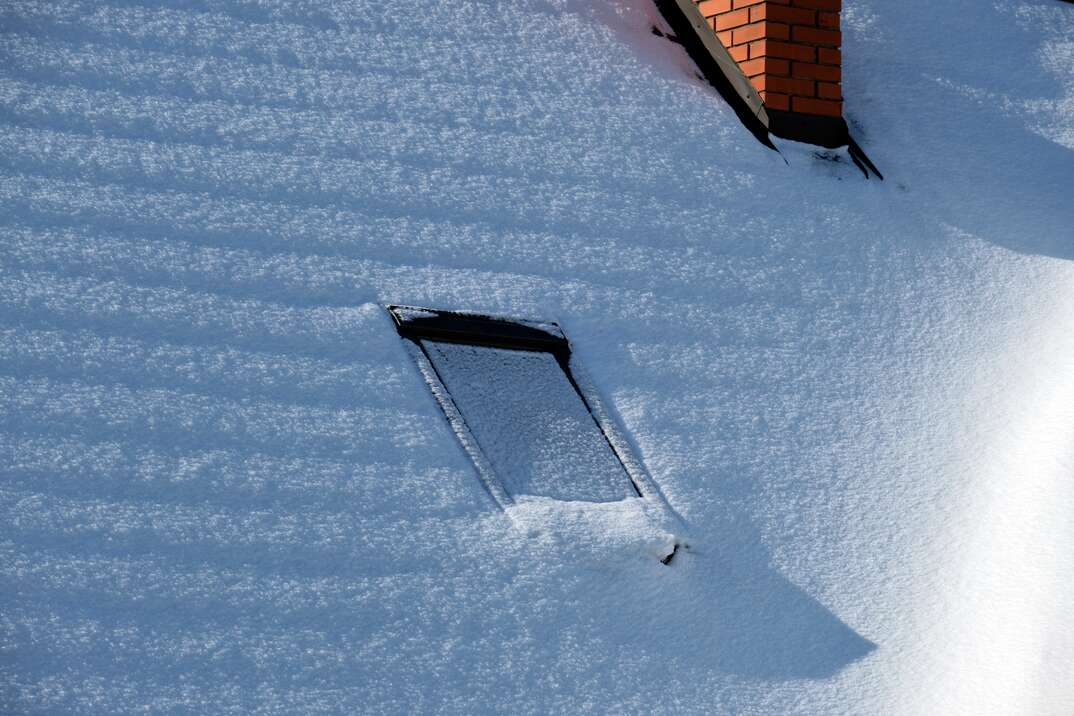
Next, focus on water management. Inspect your roof for missing, damaged or loose shingles and repair as needed to prevent leaks from snow or ice dams. Clear gutters so water can drain properly. If you live somewhere expecting above-normal precipitation, check your basement drainage and sump pump now—don't wait until January when heavy rains arrive.
In freeze-thaw regions, seal driveway cracks now. Repeated freeze-thaw cycles will widen cracks fast if they're left open. Check that your driveway slopes away from your foundation and garage so water doesn't pool near structures.
Get your heating system serviced and your chimney cleaned if you use a fireplace. Stock supplies—rock salt, sand, firewood—before the season really hits.
Keep an Eye on Weather Updates
Long-range forecasts help with planning but are imperfect by nature. NOAA will update its seasonal maps every month, and details should become clearer as we get closer to December. Check back in late fall for any shifts in the pattern.
A winter of contrasts demands attention to your specific situation. Spend an hour now evaluating what could go wrong in your region this season, and you'll spend a lot less time and money dealing with damage later.
View Plans in Your Area
Follow us
Popular

Apr 11, 2026

Get the latest news, tips and promotional messages, including special offers.